Jewlery professions
Jeweler
 Jeweler
Job profile
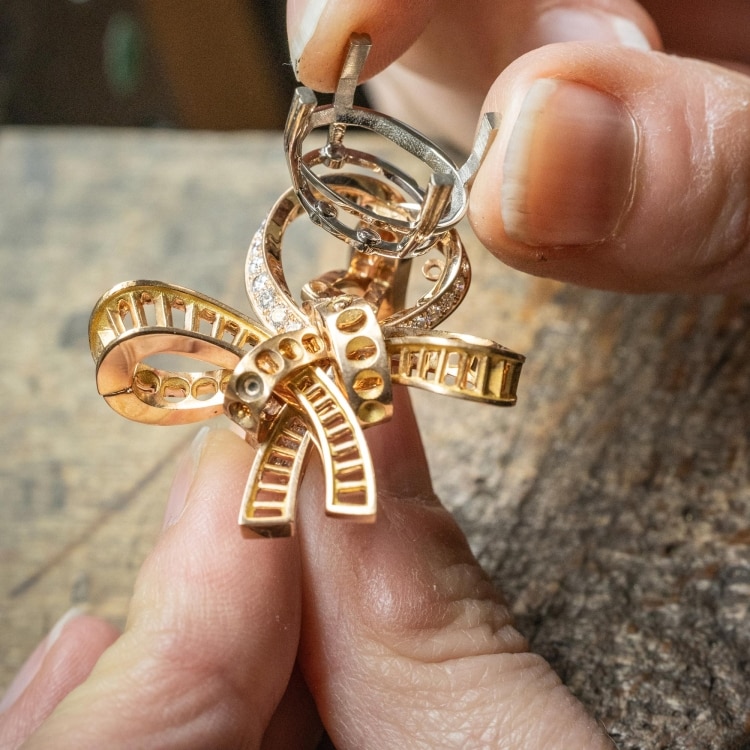
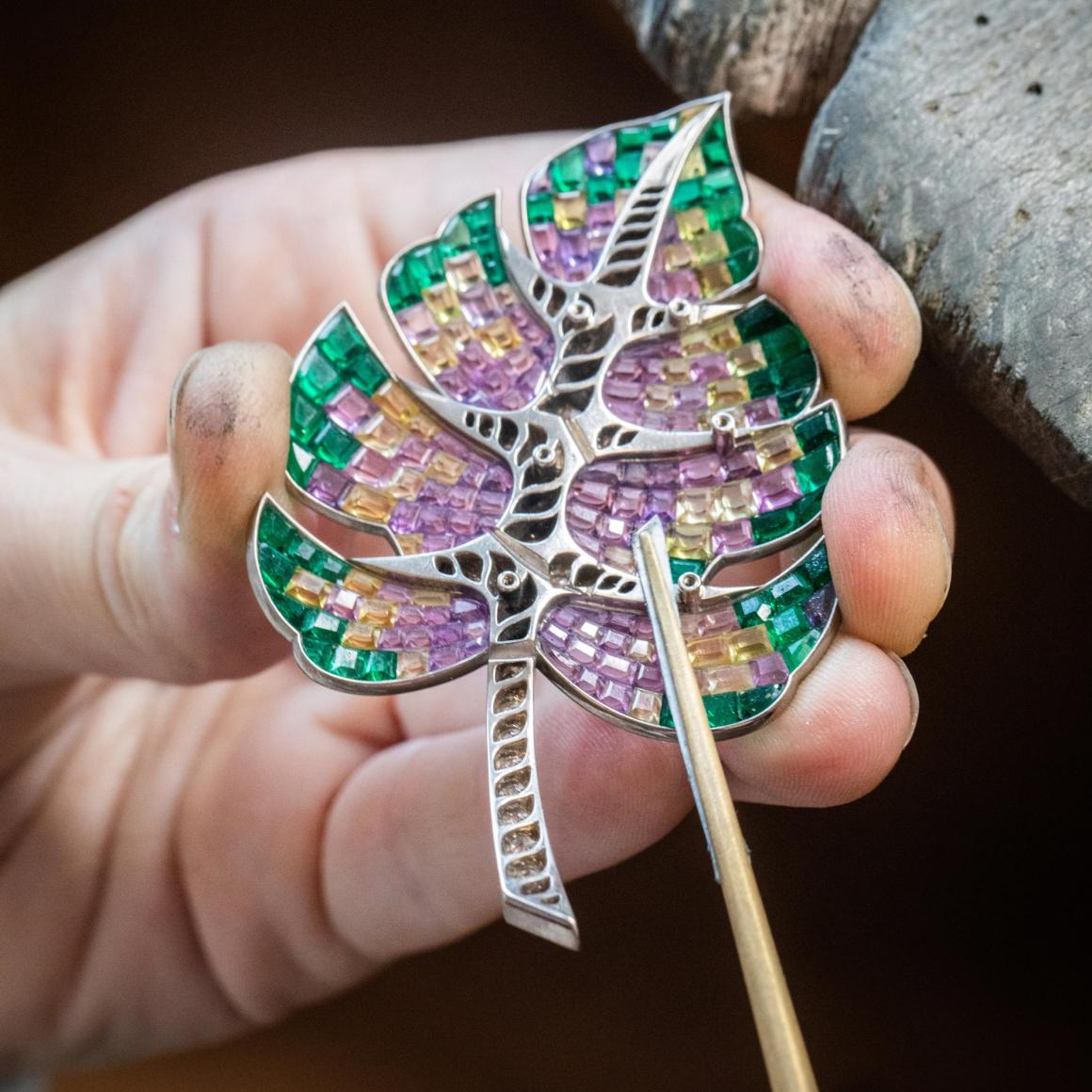
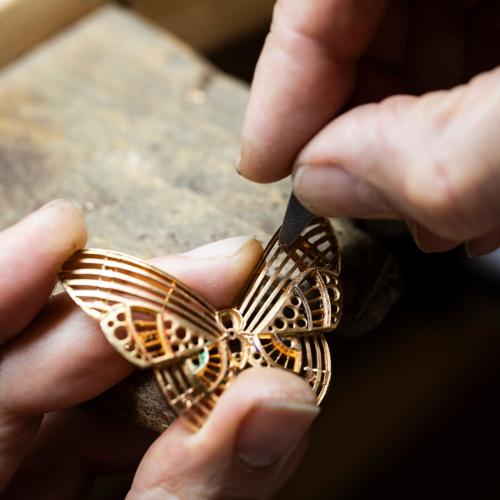
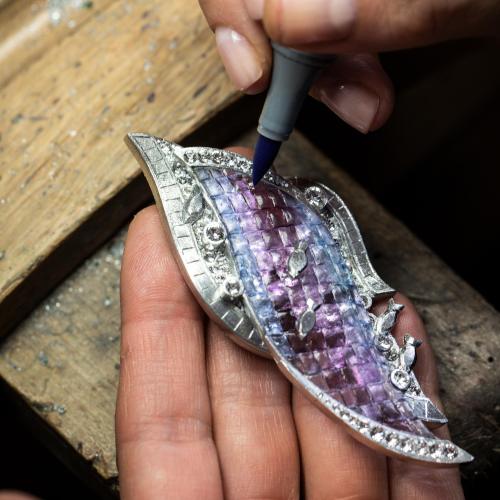
Working with precious metal, the jeweler creates the three-dimensional structure of the piece based on the gouache drawing and the mock-up. The exceptional savoir-faire of Van Cleef & Arpels' artisans is reflected in the attention to detail and comfort, the ingenuity of the mechanisms, and the finesse of the settings that allow light to pass through the stones.

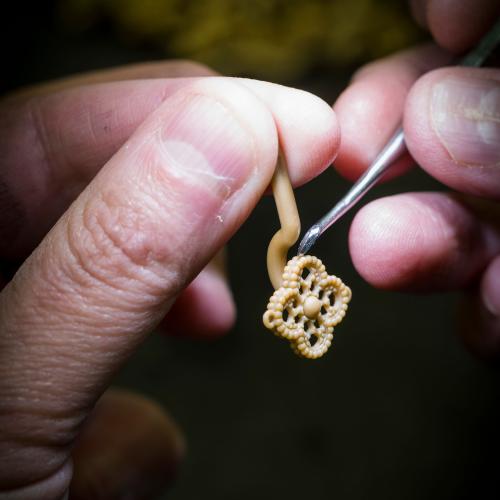
Jewelers sculpt the future creation in green wax using tools including drill bits, burrs and pliers.
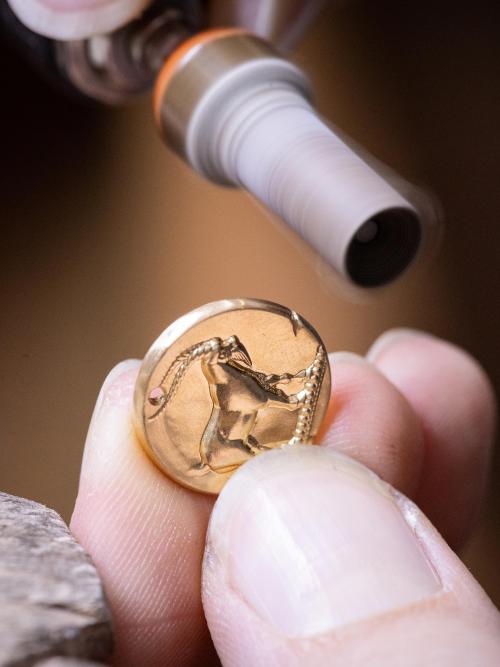
The workbench features a beveled wooden board known as a bench pin, to facilitate the craftsman’s motions.
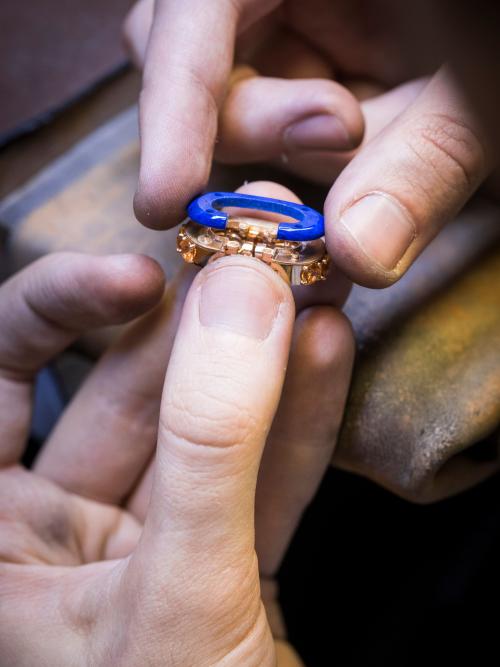
Each jeweler has a personal set of tools, specially suited to their hand and precise work.
Prerequisites: middle school or high school diploma
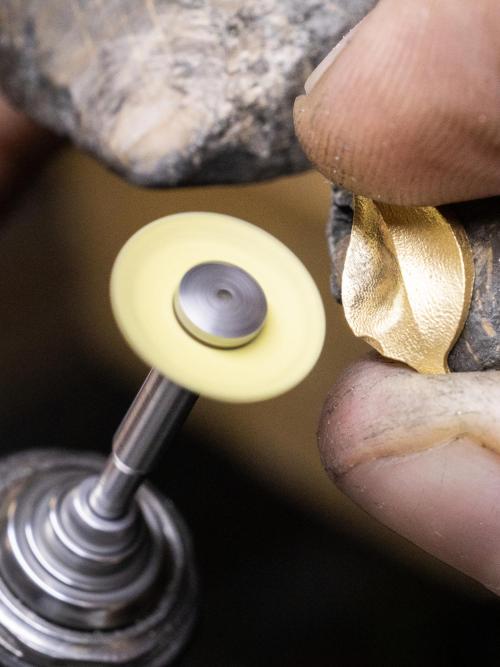
“I wanted a truly gratifying career. I love working with my hands, and I love jewelry as well.”
Pierre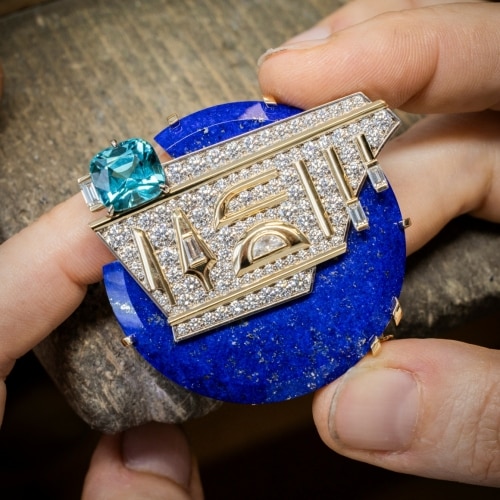
Skills
Discover the three key attributes of a jeweler
Precision
A wax sculpture has to be accurate down to the hundredth of a millimeter!
Patience
Fashioning a piece of jewelry in wax, with every detail precisely depicted, is time-consuming work.
Observation
Jewelers handle different materials and must master their specific qualities.
Tools
The main tools of the jewelers
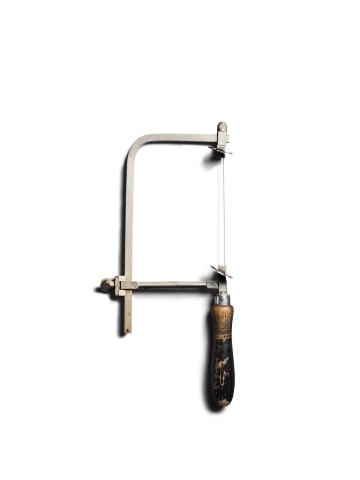
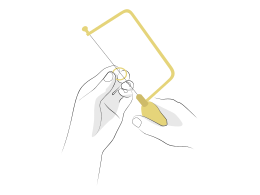
Jeweler's saw
It is also called a saw frame. Fine, thin saw blades may be inserted to cut metal precisely.
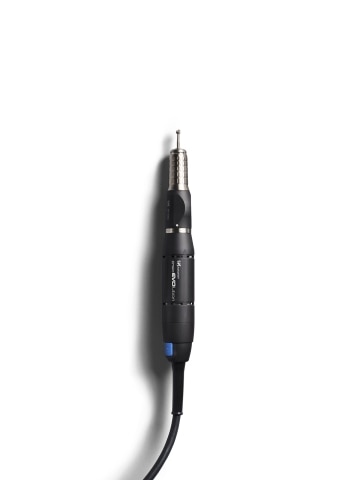
"Pièce à main"
Rotary tool connected to an electric motor that lets you drill, grind, or polish using various interchangeable bits (drills, burrs, brushes...).
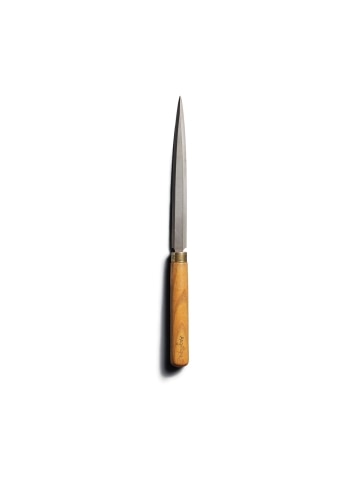
File
It is used to help the jeweler refine the metal and to remove excess matter to smooth metal edges. The cutting edge may be rounded, triangular or square.
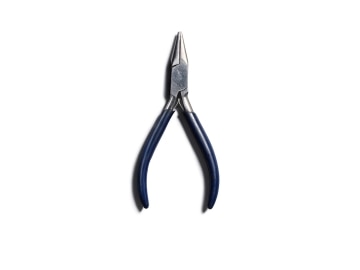
Pliers
Used to hold, bend or precisely cut metal.
Training opportunities
Training programs are available as of 9th grade, as well as for high school graduates and professionals looking to change careers. Whether you are entering the job market or embarking on a new path, this interactive map will help you find a training program close to home.
Jewelry professions
-
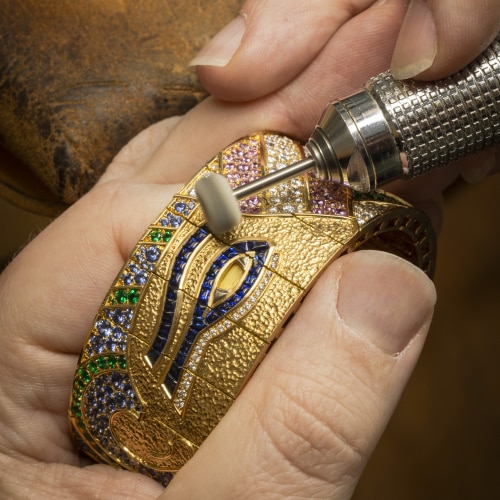
Polisher
These craftsmen carry out varied polishing procedures to bring out the full radiance of jewelry creations.
-
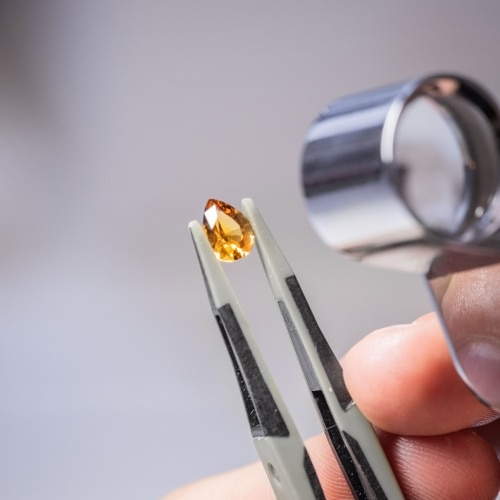
Stone expert
Equipped with expert knowledge of precious and ornamental stones, they purchase and select gemstones to breathe life into future creations.
-
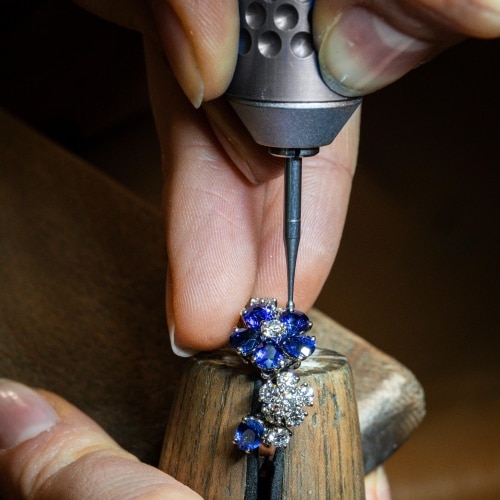
Gem setter
The role of gem setters is to adorn jewelry pieces with stones, either precious (diamonds, rubies, sapphires and emeralds), or ornamental (turquoise, lapis lazuli, onyx, etc.).
-
Model maker
Starting from sketches, model makers create 3D mock-ups of creations to better study their volumes. This is a traditional profession characteristic of Van Cleef & Arpels.
-
Caster
Casters transform three-dimensional wax or resin models of jewelry creations into fully formed gold pieces.